Buy Solar Panels in Pakistan: Smart 2026 Buyer Guide
If you plan to buy solar panels in Pakistan this year, the decision is less about “going green” and more about protecting your budget from relentless grid tariffs. Electricity bills have climbed steadily, and a well-sized rooftop system now pays for itself far faster than it did five years ago. This 2026 guide walks you through sizing, costs, net metering and the small print that most first-time buyers overlook.
Solar adoption across Punjab, Sindh and Islamabad has moved from early-adopter territory into the mainstream. Homeowners, small factories and even apartment blocks are locking in predictable energy costs while the national grid stays volatile. The trick is choosing the right components and the right installer rather than simply chasing the cheapest quote.
Why Buy Solar Panels in Pakistan in 2026?
The core argument is simple arithmetic. A grid unit that cost a fraction of today’s rate a few years ago now eats a large share of household income. Solar flips that equation: you pay most of the cost upfront, then generate your own power for 25 years with minimal upkeep.
Three forces make 2026 a strong entry point:
- Falling panel prices: Global oversupply of tier-1 modules has pushed per-watt costs down, so the same roof buys more capacity.
- Mature net metering: Exporting surplus units to the grid is now a routine, documented process rather than a gamble.
- Longer warranties: Reputable inverters and panels ship with performance guarantees that stretch past two decades.
For a curated catalogue of modules, inverters and mounting kits, you can buy solar panels in Pakistan from suppliers who publish clear specifications instead of vague “high efficiency” claims.
Sizing Your System Before You Spend
Oversizing wastes capital; undersizing leaves you still buying expensive grid units. Start with your last twelve monthly bills, note the units consumed, and divide by the days to find a daily average. A typical urban home using 30 units a day often lands on a 5 kW to 7 kW system.
Roof orientation matters as much as panel count. A south-facing, unshaded roof in a city like Lahore delivers meaningfully more yield than an east-west split roof shaded by a neighbour’s wall. Honest installers will model this for you rather than copy-pasting a generic quote.
Rough System Cost and Output Table
| System Size | Best For | Approx. Daily Units | Typical Roof Space |
|---|---|---|---|
| 3 kW | Small home, 1–2 ACs | 12–15 | ~220 sq ft |
| 5 kW | Mid-size family home | 20–26 | ~350 sq ft |
| 10 kW | Large home / small office | 40–52 | ~700 sq ft |
| 15 kW | Shop, clinic, small factory | 60–78 | ~1,050 sq ft |
Treat these numbers as a planning baseline. Actual output shifts with temperature, dust accumulation and seasonal sun hours, which is why a site survey beats an online calculator every time.
On-Grid, Off-Grid or Hybrid?
Most city buyers choose on-grid systems paired with net metering because they are cheapest and need no battery. Hybrid systems add a battery for load-shedding resilience and cost more. True off-grid setups suit remote farmland where no reliable grid exists.
- On-grid: Lowest cost, exports surplus, no backup during outages.
- Hybrid: Battery backup plus export, higher upfront spend.
- Off-grid: Full independence, needs large battery bank and careful sizing.
Net Metering and the Paperwork
Net metering lets your meter run backwards when you export power, offsetting what you import at night. The connection is regulated, and the official framework is published by the National Electric Power Regulatory Authority (NEPRA), Pakistan’s power-sector regulator. A competent installer handles the application, inspection and bidirectional meter swap on your behalf.
Ask your vendor for a written timeline. A clean application through a distribution company usually clears within a few weeks; delays almost always trace back to incomplete documentation rather than the technology itself.
Choosing an Installer You Can Trust
The hardware is only half the purchase. Mounting quality, cable gauge, earthing and after-sales support decide whether your system still performs in year ten. Work with a Best Solar Company that offers a documented warranty, local service staff and references you can actually call.
For buyers who also research property and infrastructure decisions, our network of dependable specialists can help you align a solar plan with longer-term home ownership goals.
Red flags to avoid:
- Quotes with no brand names or model numbers listed.
- “Lifetime” promises with nothing in writing.
- Pressure to pay the full amount before any site survey.
Components That Decide Long-Term Performance
Two systems of identical kilowatt rating can perform worlds apart over a decade, and the difference lives in the components. The panel grabs headlines, but the inverter is the hardest-working part, converting direct current into the alternating current your home uses every single daylight hour. A quality string or hybrid inverter with a solid efficiency rating protects years of generation.
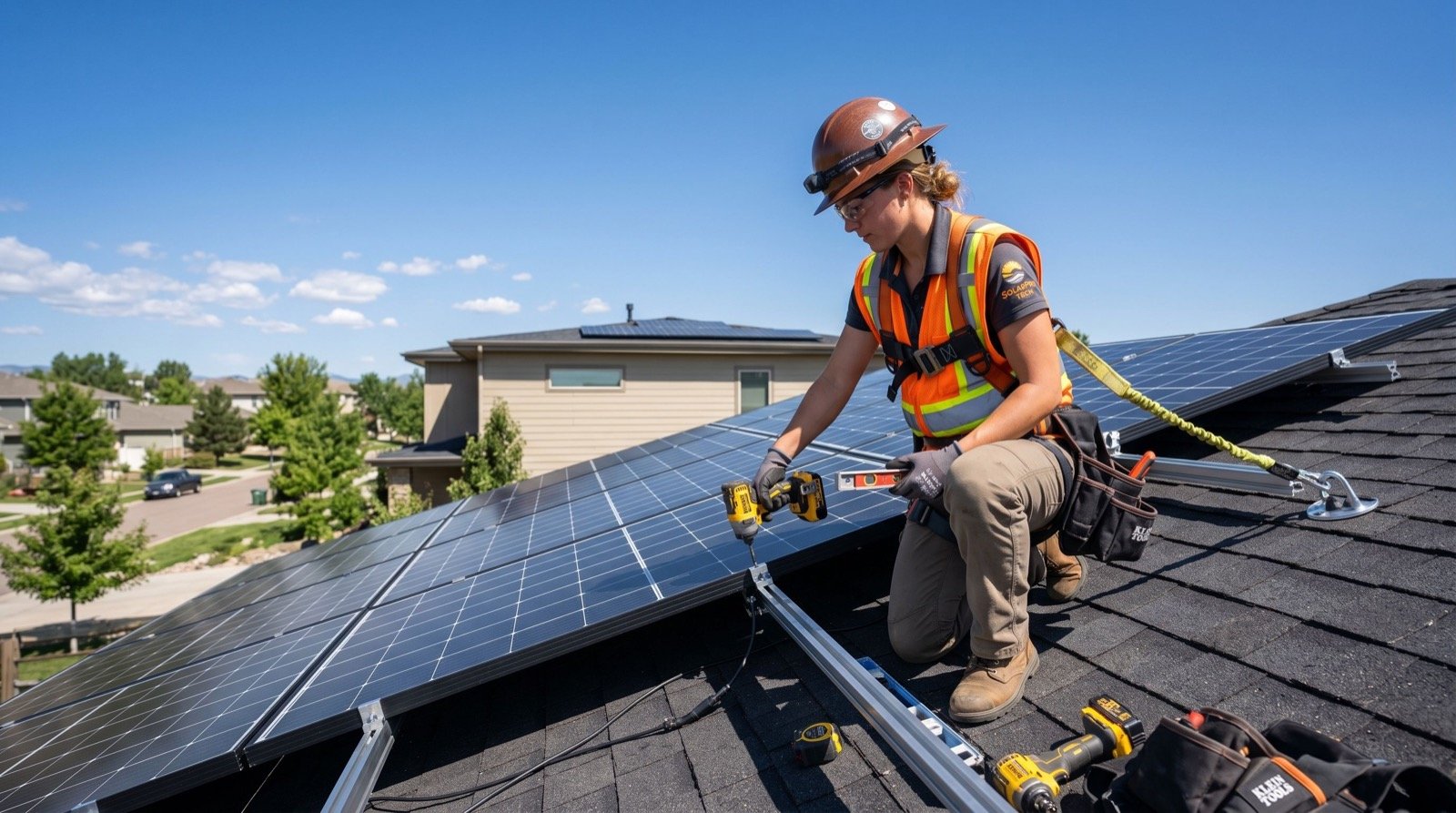
Pay equal attention to the balance-of-system parts that quotes love to hide. Thin aluminium rails, undersized DC cable and cheap connectors are where corners get cut, and they are exactly where failures appear once the warranty attention fades. Insist on tinned copper cabling of the correct gauge, branded connectors, and a mounting structure rated for your area’s wind speeds.
- Panels: monocrystalline modules with a strong 25-year performance warranty.
- Inverter: reputable brand, correctly sized, with monitoring built in.
- Protection: DC and AC isolators, surge arrestors and proper earthing.
- Monitoring: an app or portal so you can see daily yield and catch faults early.
Monitoring deserves special mention. A system you can watch from your phone tells you within days if a string underperforms, turning a silent, months-long loss into a quick service call. For a long-term asset, visibility is not a gimmick; it is how you protect the investment you made.
Seasonal Expectations Through the Year
Solar output is not flat across the calendar, and realistic expectations prevent needless worry. Long summer days produce the strongest yield, which conveniently coincides with peak cooling demand. Winter days are shorter and sometimes hazy, so generation dips, yet a correctly sized system still offsets a healthy share of the bill. Net metering smooths this out by banking summer surplus against winter shortfalls, which is why the annual picture matters more than any single cloudy week.
Frequently Asked Questions
How long does it take for solar panels to pay for themselves in Pakistan?
With current tariffs and net metering, most quality on-grid systems recover their cost in roughly three to five years, then deliver near-free power for the remaining warranty period.
Do solar panels work during load shedding?
A basic on-grid system shuts off during an outage for safety. If uninterrupted power matters to you, choose a hybrid system with a battery so essential loads keep running.
What maintenance do solar panels need?
Very little. Periodic cleaning to clear dust, an annual inspection of connections, and keeping the inverter ventilated are usually enough to protect output for decades.
Is it better to buy a bigger system than I need now?
Modest headroom is sensible if you expect to add appliances or an electric vehicle, but large oversizing ties up cash you could invest elsewhere. Size for realistic near-term demand.
Conclusion
The smartest time to buy solar panels in Pakistan is before the next tariff hike, not after. Start with an honest audit of your consumption, size the system to real demand, confirm the net-metering path, and vet your installer as carefully as the hardware. Do that in 2026 and your rooftop becomes a decades-long hedge against rising energy costs. Request a site survey this month and lock in the savings while panel prices stay low.